About the Work
Thresholds began as a question: what does it mean to occupy a border? Not the dramatic border of nations and checkpoints, but the quiet border of a doorway — the line between inside and outside, between welcome and refusal, between the space that is yours and the space that is mine.
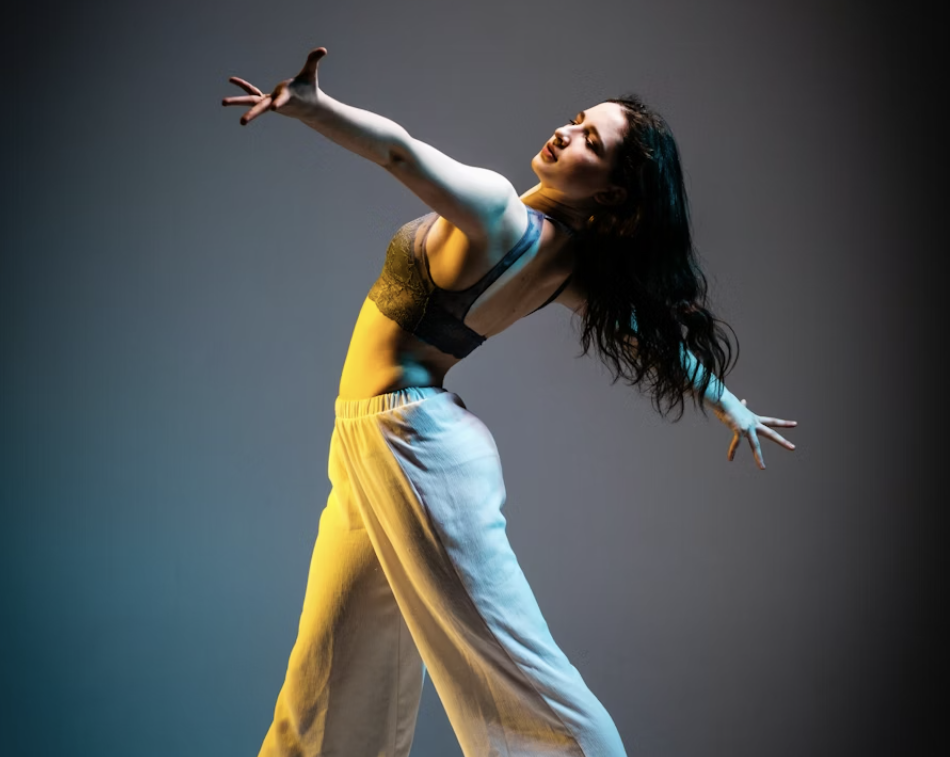
For five hours on the 7th of October 2023, I stood in doorways across the Ason, Indra Chowk, and Hanuman Dhoka areas of Kathmandu. I did not perform. I did not speak. I simply occupied the threshold — making it impossible to pass without acknowledging me, without making a choice.
Some people waited. Some turned back. Some asked me, quietly, to move. A few stood beside me. One man — a hardware seller in his 60s — stood with me for forty minutes without saying anything, then gave me a glass of water and left.
"The threshold is not neutral. It has never been neutral. Someone built it. Someone decides who can cross."
Process and Research
The performance emerged from eight months of fieldwork. I interviewed 23 families facing eviction or displacement in the Kathmandu Valley. I spent time in community meetings, in legal aid offices, in the offices of the municipality. I read planning documents and development strategies.
The decision to make a durational, silent, participatory work — rather than an investigative article — came from a conversation with a woman named Gita, who had been fighting her eviction for six years. She said: “I am tired of telling the story. Can someone just feel it with me?”
I cannot feel it for her. But I can make a work that asks others to notice what it feels like to be in the way.
Critical Response
Thresholds was reviewed in ArtAsiaPacific, The Record Nepal, and Hyperallergic. It was subsequently invited to present at the Dhaka Art Summit 2024 and the Serendipity Arts Festival.
Themes
Displacement
Urban Space
Body